 |
 |
An Opera by Giacomo Puccini - In Italian with English surtitles
Dates: 22,25, 27 & 29 November & 1 December, 2003 Venue: Queen Elizabeth Theatre
Reviewer: John Jane
Director:
Elizabeth Bachman
Conductor: Leslie Uyeda
Chorus Director: Leslie Dala
Lighting designer: Alan Brodie
 |
|
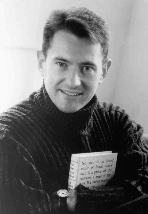
Brett Polegato is Figaro |
The young Count Almaviva is utterly smitten by the captivating Rosina. The problem is that he must get by her cantankerous and overbearing guardian, Dr. Bartolo, who also harbours matrimonial designs on his ward. Almaviva enlists the help (at a price) of the local barber, Figaro, who concocts a devious scheme to allow the Count into Rosina’s house. But alas, there is treachery afoot. When Bartolo becomes suspicious that Rosina is returning Almaviva’s attentions, he and Don Basilio (Rosina’s music teacher) hatch a plot to discredit him and so drive him away. Figaro, Almaviva and Rosina eventually outsmart the guardian, who is then forced to come to terms with the couple’s union.
Winnipeg soprano,
Tracy Dahl, is a voluptuously feisty Rosina opposite Tenor John Tessier's
youthfully charming Count Almaviva. Ms Dahl delivers good coloratura in
her showpiece aria Un voce poco fa, while her suitor prances
through the charades with daring bravado and distinguishes himself as
a romantic tenor with his second act solo aria, Ah, il più
lieto.
Brian McIntosh is the buffoonish Bartolo and I doubt if anyone else could have done better with this curmudgeonly role. McIntosh allows Bartolo to take himself seriously, without crossing the line that separates character from caricature.
Mezzo-soprano Beverly McArthur is excellent as Berta, Bartolo’s housekeeper. Her second act aria, Il vecchiotto cerca moglie is perhaps the most poignant moment in the opera, as she sings of frustration and despair for her future.
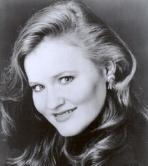 |
| Tracy
Dahl is Rosina |
Conductor Leslie Uyeda drew a brisk, clean sound from the Vancouver Opera Orchestra, maintaining a perfect level during the famous overture.
The three rotating sets are a stylish re-creation of Seville. The courtyard and the drawing room sets are perfect backdrops for this elegant opera.
This production has a genuine musical-comedy verve. That the performers should appear so natural in their parts is indeed evidence that Rossini's opera is the antecedent of modern musical comedy.
© 2003, John Jane